Improving the energy efficiency of your home (also called retrofitting) can make it warmer and more comfortable to live in, and reduce your fuel bills too.
There's a huge range of things that you can do to make your home more energy efficient, from instant hacks that cost next to nothing , to bigger home improvement projects that will need planning and a professional to install. Use this page to get a clearer idea of your options, and help you decide which is most suitable for you and your home.
Understand your home Types of homes Most houses lose energy, even if they're brand new. Different homes have different needs:
Older homes may need different approaches to improving energy efficiency Newer homes may already have insulation or modern features in place Flats and converted properties may have different options or shared elements to consider. For more detail about typical issues in different types of housing, check out this profile of common housing types in our area , to help you understand your home better.
Factors affecting retrofit recommendations The improvements that are right for your home will depend on things like:
Your EPC rating and how much energy your home currently uses How you use your home, for example, whether you’re at home most of the day or out a lot The age and type of your property How it was originally built Whether it has already been upgraded
In a recent local survey, 55% of people said they'd like to make energy efficiency home upgrades. They identified funding and lack of knowledge of what's available as the biggest barriers to taking action.
- B&NES council 'Voicebox' public survey
Easy things that you can do now See our Quick wins for a warmer home
Find out about possible projects If you decide to invest in a home improvement, there are two approaches you could consider:
A fabric-first approach : improving the structure and fittings of your home as a first priority, so that the building will use energy as efficiently as possible, whether or not you then continue to upgrade with new heating systems.Installing new systems or equipment first : replacing or supplementing power sources, heating or hot water systems, often using renewable technologies. To maximise the benefits of a new system, it may be wise to also improve the fabric of your home, to reduce heat loss through the structure. Select any of the topics below, to find out more about the main types of home energy improvement you can choose, and:
what they involve the methods or options available how they can make a difference to your home practical tips about getting started from local retrofit experts "The services helped me figure out what I want to do for my next home improvement project, and plan out subsequent projects to carry out in the coming years."
- Shane had a Home Energy Efficiency Plan through BWCE
Fabric-first approaches Insulation describes any material you add to your home to block the flow of heat energy. You can insulate all of the main areas where heat can escape: walls, floors, loft and roof.
A well-insulated home saves you fuel and will be a lot more comfortable to live in: warmer in winter, and cooler in summer.
Check out these pages from the Retrofit West website, to learn more about common types of insulation, where and how it's fitted, what it costs and the impact it can have.
A popular way of upgrading your home is to replace external doors and improve or replace your windows.
There are lots of options to choose from:
High performance external doors Double or triple glazing Secondary glazing Full window replacements (both frames and glass) Suitable, well-fitted replacements can dramatically affect heat loss, reduce any damp and mould, and will make your home look smarter on the outside and be quieter on the inside. They could also increase its value when you come to sell it.
Find out more about windows and doors on the Retrofit West website
Ventilation is the controlled flow of fresh air through your home, whether that’s through a natural or ‘passive’ method (opening windows, door undercuts) or one that mechanically moves air around, to keep your home comfortable.
There are a number of different types of ventilation systems available:
Natural Passive stack ventilation (PSV) Mechanical extract ventilation Mechanical ventilation with heat recovery (MVHR) Effective ventilation is especially important if you spend time and money on insulation. Without it, you can get poor air quality, condensation, damp and mould, which can damage the fabric of your home, and affect your health too.
Find out about ventilation on the Retrofit West website
Fabric insulation measures, when installed with appropriate ventilation, remain a cornerstone of energy efficiency. They help reduce damp and mould, improve thermal comfort, lower the risk of underheating and reduce heating costs.
- UK Government Warm Homes Plan
Installing new systems or equipment These work by using gas, electricity, or other types of fuel to heat your home to a comfortable temperature and supply you with hot water. Some systems, like air-to-air heat pumps, can also offer cooling in the summer, via air conditioning.
There are many types of heating system available:
Heat pumps (air source or ground source) Electric heaters Boilers Solar water heating Heating and hot water contribute the most to your domestic fuel bills, so having an energy-efficient system is central to cutting down the amount you have to spend on energy.
Find out more about heating systems on the Retrofit West website
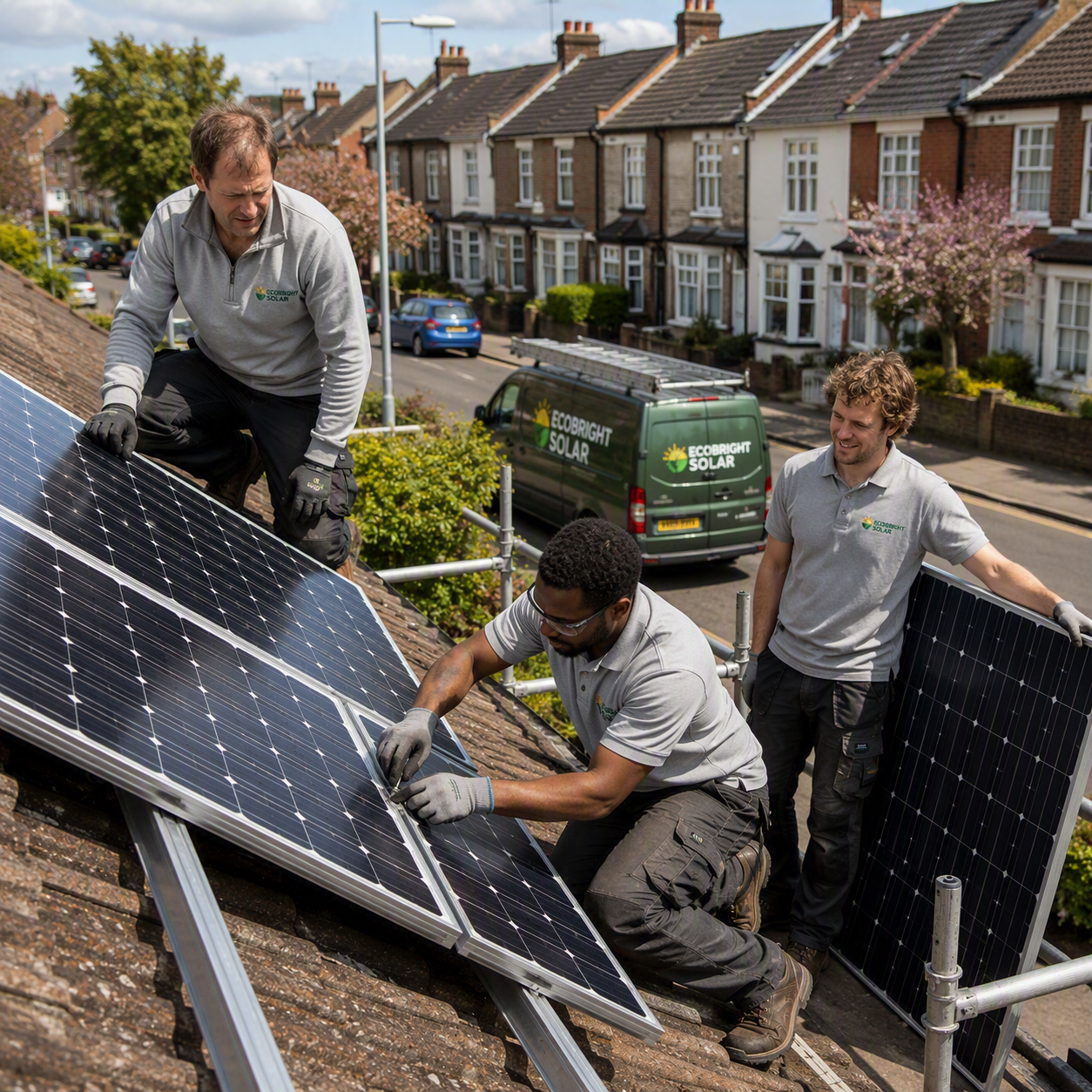
Renewable technologies use power sources that are freely available and don't pollute the environment, like wind or solar. Domestic equipment generally uses solar energy, as this can be generated at a much smaller scale. Solar panels turn energy from the sun into electricity. This can go towards powering devices and appliances in your home. Adding a battery storage system means you can store any electricity that isn’t used up for later use, or get paid to export it to the national grid system.
The types of systems which are available include:
solar panels (rooftop, or ground-mounted) solar battery storage solar water heating Check your home's solar potential, using the Solar Wizard assessment tool
Adding renewable technologies to your home helps you to future-proof your energy supply, cutting your bills and lowering your carbon footprint. You could ultimately earn money for the electricity you generate.
Find out more about renewable technologies on the Retrofit West website
If you're living with a disability
You may want to use this Checklist for Disabled Households created by CSE , to help you to get personalised Retrofit advice that takes account of your access needs.
What you can do next The range of home energy improvement options is huge. If you're not sure what's most likely to suit your home, lifestyle and budget, the best way to decide is to get personalised advice.
Get advice for your home
If you've already had advice, and want to find out in more detail about particular projects or technologies, try the resources below.
Explore new technologies To get a more detailed understanding of the new home energy technologies which you might want to consider, how they work, and practicalities around funding and finding a qualified installer, visit the certified technologies section of the MCS consumer website .
Explore funding Check out our dedicated pages to find out if you're eligible for funding, grants or practical help with home energy upgrades.