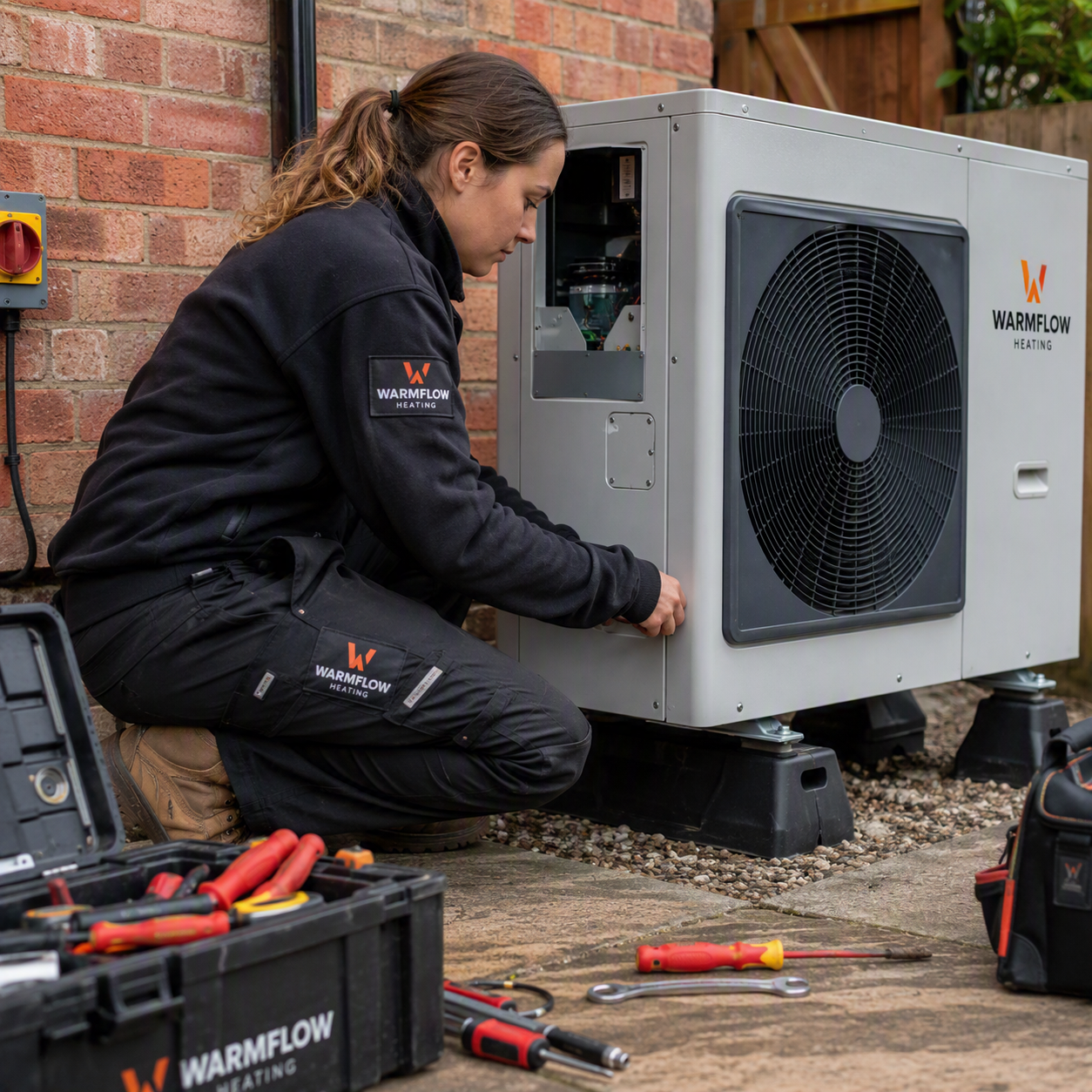
Once you've decided on your home energy project, you're ready to find a professional to do the work. Use this page to help you find and choose an accredited tradesperson, and to know what to expect before, during and after the work is done.
Find a registered tradesperson You want to feel confident that the person working on your home knows what they're doing, and will complete the work to a high standard. There are a number of services you can use to make sure you're dealing with genuine, well-qualifed tradespeople you can trust.
Getting reliable advice through a home energy assessment , or booking a call with the Retrofit West Advice Line , are great ways of checking what sorts of certifications a good installer for your project should have.
Depending on the type of work you want and the size of the project, you may want to check one or more of these schemes to find qualified, registered professionals.
This service is accredited by local authority Trading Standards teams, with over 60 local councils taking part. You can find traders and organisations in almost any line of business, and your search results will be ordered by how local they are to you. Buy With Confidence is a great place to start, if you want to find out which businesses in your local area are trustworthy.
This is the Government Endorsed Quality Scheme , specifically for tradespeople who work on domestic homes. Trustmark member businesses comply with legal standards for their area of business, and have made a commitment to good customer service. You can search their Find a local tradesperson directory by the type of service or the item you want to get installed (for example: 'air source heat pump'). Results appear on a map, together with information on how long each business has been a member of the Trustmark scheme.
MCS are specialists in domestic scale renewable energy products , technologies and installations, such as solar panels and heat pumps. Their certification indicates compliance with recognised industry standards for quality and competence, and sets out what consumers should expect at every stage of the installation process. The MCS Find an installer service allows you to search by product, technology and location, to find certified tradespeople.
2025 saw 224 installations of MCS-certified domestic heat pumps in B&NES. The figure for the first 8 months of 2026 had jumped to 911.
- Microgeneration Certification Scheme (MCS) Data Dashboard
How to choose Be sure what you'll have to pay We recommend getting quotes from three different tradespeople, before deciding which one you're happy with. To avoid nasty surprises, take special care to ensure that:
the figure you get is a quote for the job, rather than an estimate they provide detailed drawings and an itemised list of what's included in the cost they spend a reasonable time returning figures to you. It takes work to put together an accurate quote, so taking a few days to get back to you is reasonable, and you should be wary of someone who gives an instant figure. they provide the clearest account of what's involved, and not just the cheapest. A trustworthy professional will tell you if your budget will cover what's needed. Check reputation and reviews To choose a professional with confidence, you'll want to know about their qualifications and experience, but also how they look after their customers. Check their certifications, but also recent customer reviews. Use an independent forum like Trustpilot or Google Reviews, rather than testimonials from their own website.
Keep the project on track Before you start Once you've chosen your installer, the best way to make sure the project goes to plan is to agree a full contract for the job . This should include:
the scope of the works: what's included, and what isn't a schedule of payments, and the project stages they will be tied to a project timeline, including start and completion dates a clear definition of the standards that the completed project should meet (including measures of effectiveness, and building control approval, if appropriate) procedures for agreeing any changes to the original plans processes for dealing with any disputes which arise information about your installer's insurance cover, and whether there are any circumstances you need to cover yourself with your home insurers a clear statement of the paperwork you'll get at the end of the project, such as safety or compliance certificates, and warranties for the work. You could ask your installer to use a contract template from the Federation of Master Builders , or use these templates to check that you are happy with any paperwork that they provide.
During the project Especially for longer projects or larger teams, ask your installer for:
waystages in the contract, with agreed dates and an opportunity to sign off on each oneregular project updates or meetings to monitor progress a single point of contact for project management issues After the installation To ensure you'll have worry-free benefits from your home improvement for years to come, take a few steps once the project is complete.
Make sure that the completed project meets the standards agreed in your contract , including any warranties issued by your installer. This might involve monitoring performance after installation. Don't settle your final account until you have any certificates of completion . If necessary, this could include documents like a Gas Safety Certificate , or sign-off from a suitable authority, such as B&NES Building Control . Keep all of the paperwork related to your project. You'll need it to prove that the work is compliant with regulations, if you later sell your property.