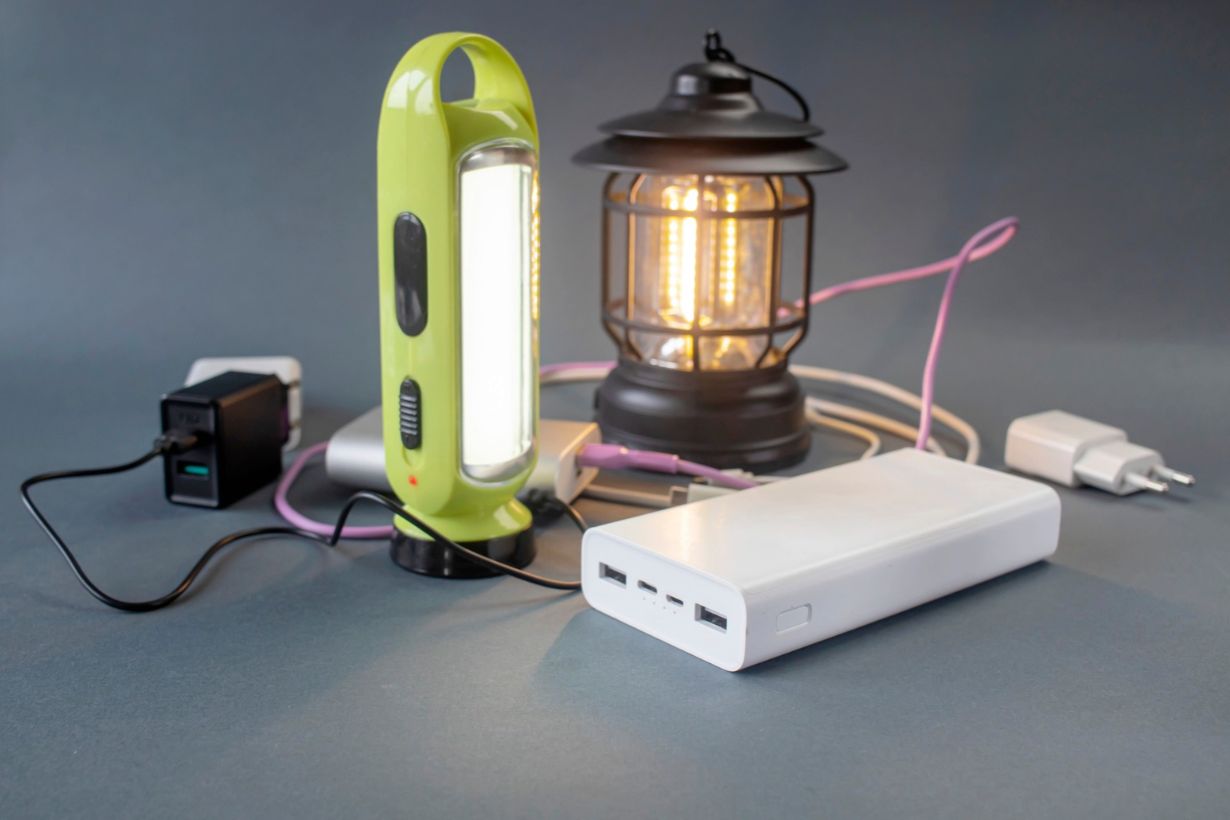
While most power cuts are resolved quickly, they can still be disruptive, especially during the colder months. Whether it's caused by severe weather, damage to power lines or unexpected faults, being prepared can help keep you and your household safe and comfortable.
As part of the Government's Be Ready campaign, residents are being encouraged to think ahead and take a few simple steps to prepare for potential power outages.
Why prepare for a power cut?
Power cuts can affect more than just your lights. You may temporarily lose heating, hot water, internet access, cooking facilities, and the ability to charge phones or other devices.
For households with young children, older residents, people who work from home, or anyone relying on powered medical equipment, planning ahead can provide reassurance and help reduce disruption.
Simple steps you can take now
Taking a little time to prepare can make a big difference if the power goes off.
- Keep essential items handy
- Consider keeping the following in an easily accessible place:
- A torch and spare batteries
- A battery-powered or wind-up radio
- A portable power bank for charging phones
- Bottled water
- A list of important phone numbers
- Any essential medication
It's also worth checking that mobile phones, laptops and portable chargers are regularly charged, particularly when severe weather is forecast.
Know how to report a power cut
In the event of a power cut, you can call 105, a free national number that connects you to your local electricity network operator.
You can also visit the National Grid website for advice and information about power outages.
Protect food and appliances
Try to keep your fridge and freezer doors closed during a power cut to help food stay cold for longer.
Once the power returns, check electrical appliances and reset clocks and timers if needed.
Support for vulnerable households
If you or someone you know could be particularly affected by a power cut, consider signing up to the free Priority Services Register (PSR).
The register helps electricity network operators and energy suppliers identify households that may need additional support during an interruption to their supply.
The PSR is a free service offered by energy network operators and suppliers that provides additional support to eligible households, including people who:
- Are over pension age
- Have a disability or long-term health condition
- Rely on electricity for medical equipment
- Have young children living at home
- Need extra support during emergencies.
Check essential equipment and communication devices
Some digital landlines, personal alarms and medical equipment rely on electricity and may not work during a power cut.
If you or someone in your household uses these services, it's worth checking what would happen if the power went off.
- Digital landlines: Check with your phone provider whether your service will work during a power cut and what backup options are available.
- Personal alarms: If you use a care alarm or emergency pendant, contact your equipment provider to check whether it will continue working.
- Medical equipment: If you reply on electrically powered medical equipment, speak to your healthcare or equipment provider about a suitable backup plan.
You can find our more information in Ofcom's guidance on staying connected during severe weather.
Check on neighbours and family
Power cuts can be particularly challenging for people who are isolated or vulnerable.
If it is safe to do so, consider checking in on neighbours, friends or family members during an outage.
A simple phone call or visit can provide valuable support and reassurance.
Find out more
For further advice on preparing for a power cut, visit:
A few simple preparations today could make a difficult situation much easier to manage tomorrow.