What it is
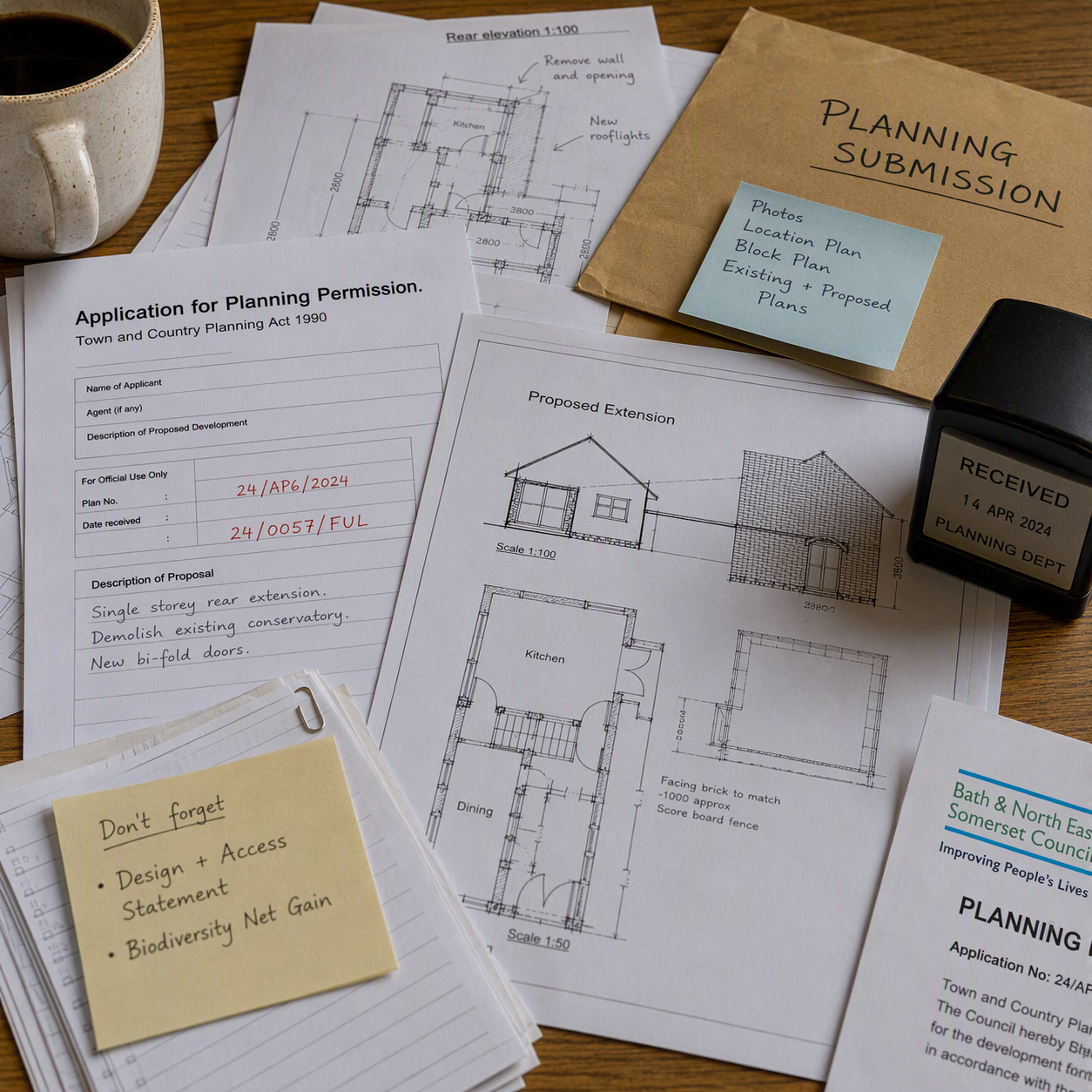
Planning permission is a local authority approval process for certain types of development. The purpose of planning permission is to ensure that development is in accordance with the national framework and local policies. The process considers whether a proposed development meets required standards, and its potential impact on the surrounding area. It controls works such as external alterations, changes to property boundaries and change of use of buildings or land.
If you live in a conservation area, a World Heritage Site, or an area which is covered by an Article 4 Direction restricting permitted development rights, there may be more restrictions on the development you can do without permission.
Why it matters
Planning shapes how places develop, feel and function, which in turn affects the quality of life of everyone living or working in those places. Planning policy aims to balance needs for housing and employment with care for the environment, access to transport, public services and green space.
If you do work on your property without the correct planning permission, you may face enforcement action. This could include an order to demolish or reinstate a development, and you may have to pay substantial fines or costs.
You'll also need proof of permission for any home improvements you have made, if you later sell your home.
When it applies
Projects that don't need planning permission
Lots of common property alterations (such as loft conversions, single storey rear extensions, porches and some outbuildings) may count as 'permitted development', meaning that no planning permission is necessary. You can use the B&NES council website to check if you need planning permission, or use the GOV.UK guidance on permitted development for householders. However, there are strict size, location, and design conditions, to protect neighbours and the environment.
Some factors may affect what falls under permitted development, including:
When you'll need planning permission
Some energy efficiency upgrades may affect the character and appearance of your home and local area, and so are likely to need planning permission, especially if you live in a conservation area or World Heritage Site.
These include:
- Exterior wall insulation
- Installing an air source heat pump
- Installing solar panels
- Erecting a wind turbine
Get help with planning permission
There are several ways to get help before applying for planning permission, and once you're preparing, or have submitted, an application.
Help deciding on your project
You can get advice for your home, before deciding if a home energy improvement project is right for you. If you choose the home visit service from BWCE, delivered in partnership with Retrofit West, your Domestic Energy Advisor will be able to tell you which types of home energy improvements should need a planning application.
Book a free home visit
For specific queries about your project and your potential planning application, the Retrofit West Advice Line offers expertise in what's needed for most home energy upgrade projects. Book a free 30-minute consultation or email them to ask questions at advice@retrofitwest.co.uk.
Help with your application
For detailed, expert advice on whether your proposed project will be acceptable in Planning terms, the council's Pre-application Planning Advice Service offers guidance to help you deal with potential issues before submitting your application.
Get pre-application planning advice
The B&NES Planning Team strongly recommend employing a planning agent or consultant, to save you time, money and delay. They can help you put together a strong application, explain the planning process, and avoid common pitfalls.
View a directory of planning consultants